
When planning a kitchen remodel, the decisions go far beyond choosing new cabinets or selecting a countertop. Every material, color, texture, and finish contributes to the overall look and feel of the space. Bringing these elements together thoughtfully is what creates a kitchen that feels cohesive, inviting, and uniquely yours.
In our previous blog, 5 Things to Consider Before a Kitchen Remodel, we explored the first phase of the remodeling process: planning. From evaluating your kitchen’s layout and functionality to considering storage, appliances, and project priorities, these foundational decisions help establish the direction for a successful renovation.
Now, we’re moving into Phase 2: the design and selection process. This is where your vision begins to take shape through the cabinetry, countertops, finishes, and details that bring your kitchen together. While functionality remains important, this stage is all about creating a space that reflects your personal style while complementing the way you live.
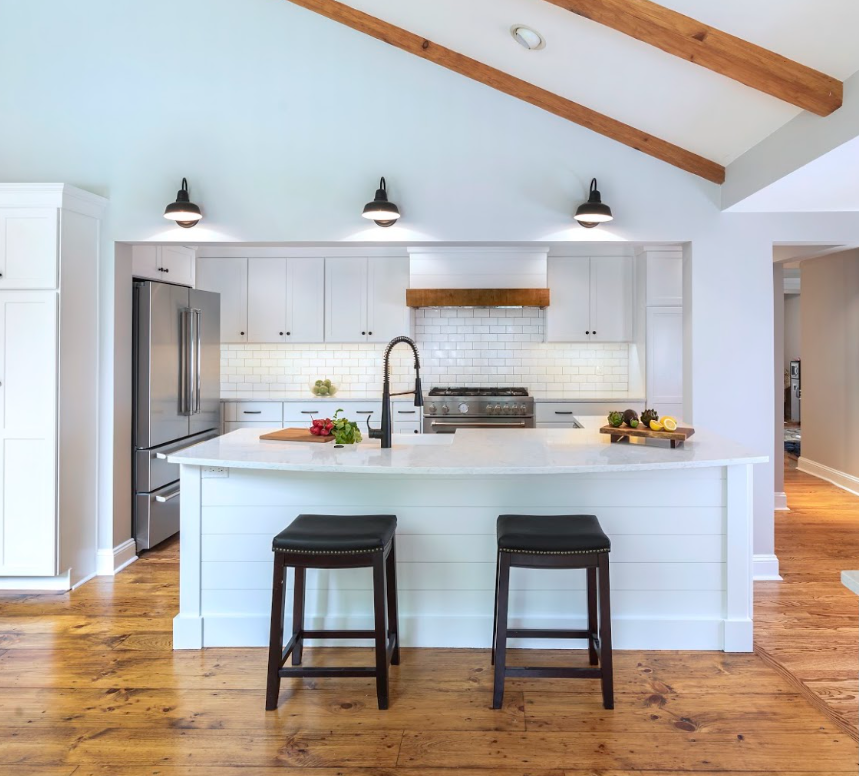
At Inspiration Kitchen & Bath, we believe a beautiful kitchen comes from more than individual design choices. It’s about understanding how each element works together to create a space that feels intentional, balanced, and timeless.
1. Choosing Your Cabinetry Style and Color
Cabinetry is one of the most defining features of a kitchen. Because cabinets occupy a significant amount of visual space, their style, color, and finish have a major influence on the overall design.
Start by considering the aesthetic you want to achieve. Do you prefer a classic, timeless kitchen with traditional details, or are you drawn to a more contemporary look with clean lines and minimal ornamentation?
Popular cabinetry styles include:
- Shaker Cabinets: Known for their simple, recessed-panel design, Shaker cabinets work beautifully in traditional, transitional, and contemporary kitchens.
- Slab or Flat-Panel Cabinets: These feature smooth, uninterrupted surfaces that create a clean, modern appearance.
- Raised-Panel Cabinets: With more decorative detailing, these cabinets offer a traditional and more formal aesthetic.
- Inset Cabinets: Designed so the doors sit flush within the cabinet frame, inset cabinetry offers a refined, custom appearance.
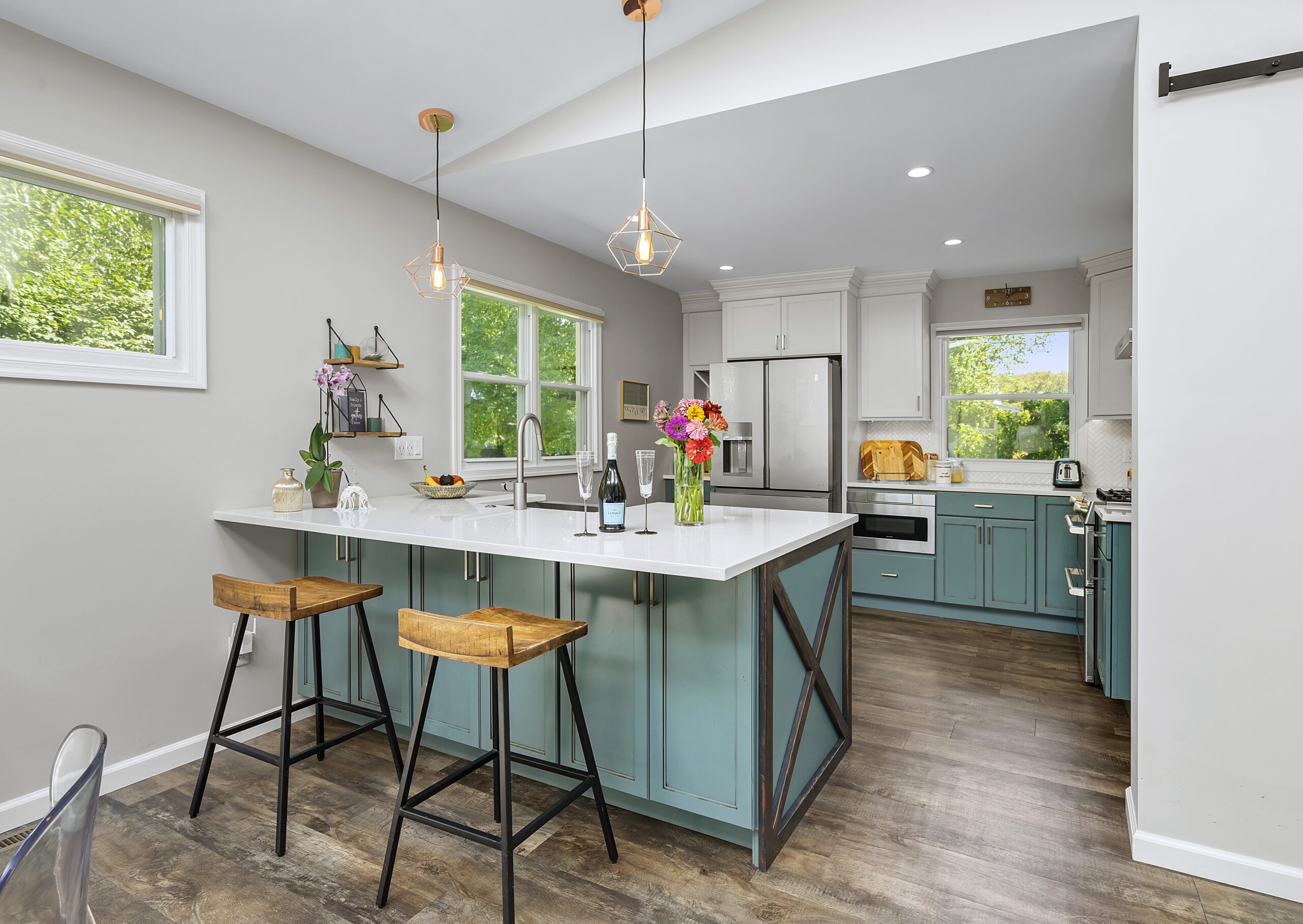
Once you’ve settled on a style, consider the color and finish. White and warm neutrals remain versatile choices, while natural wood tones can introduce warmth and character. Deeper colors, such as navy, forest green, and charcoal, can create a more dramatic and distinctive look.
You may also consider incorporating two complementary cabinet colors, such as lighter perimeter cabinetry paired with a contrasting island. This can add visual interest without overwhelming the space.
Cabinetry manufacturers such as MasterBrand Cabinetry offer a variety of styles, finishes, and configurations, giving homeowners options to explore when creating a kitchen that reflects their preferences.
The goal is to select cabinetry that complements your home’s architecture while establishing a foundation for the rest of your design selections.
2. Selecting the Right Countertop Material
Countertops are another major design element, serving as both a functional work surface and an important visual feature.
With so many materials, colors, and patterns available, choosing the right countertop involves balancing appearance, durability, maintenance, and lifestyle.
Some popular options include:
- Quartz: An engineered surface available in a wide variety of colors and patterns. Quartz is nonporous, low-maintenance, and offers excellent versatility.
- Natural Marble: Known for its distinctive veining and elegant appearance, marble brings a timeless sense of luxury to a kitchen. It does require more care, as it can be susceptible to staining and etching.
- Granite: A natural stone available in a range of colors and patterns. Granite offers durability and unique natural variations.
- Quartzite: A natural stone valued for its beautiful veining and durability. Its appearance can resemble marble while offering different performance characteristics.
- Butcher Block: Wood countertops introduce warmth and natural texture, creating a welcoming look that works particularly well in traditional, farmhouse, and transitional designs.
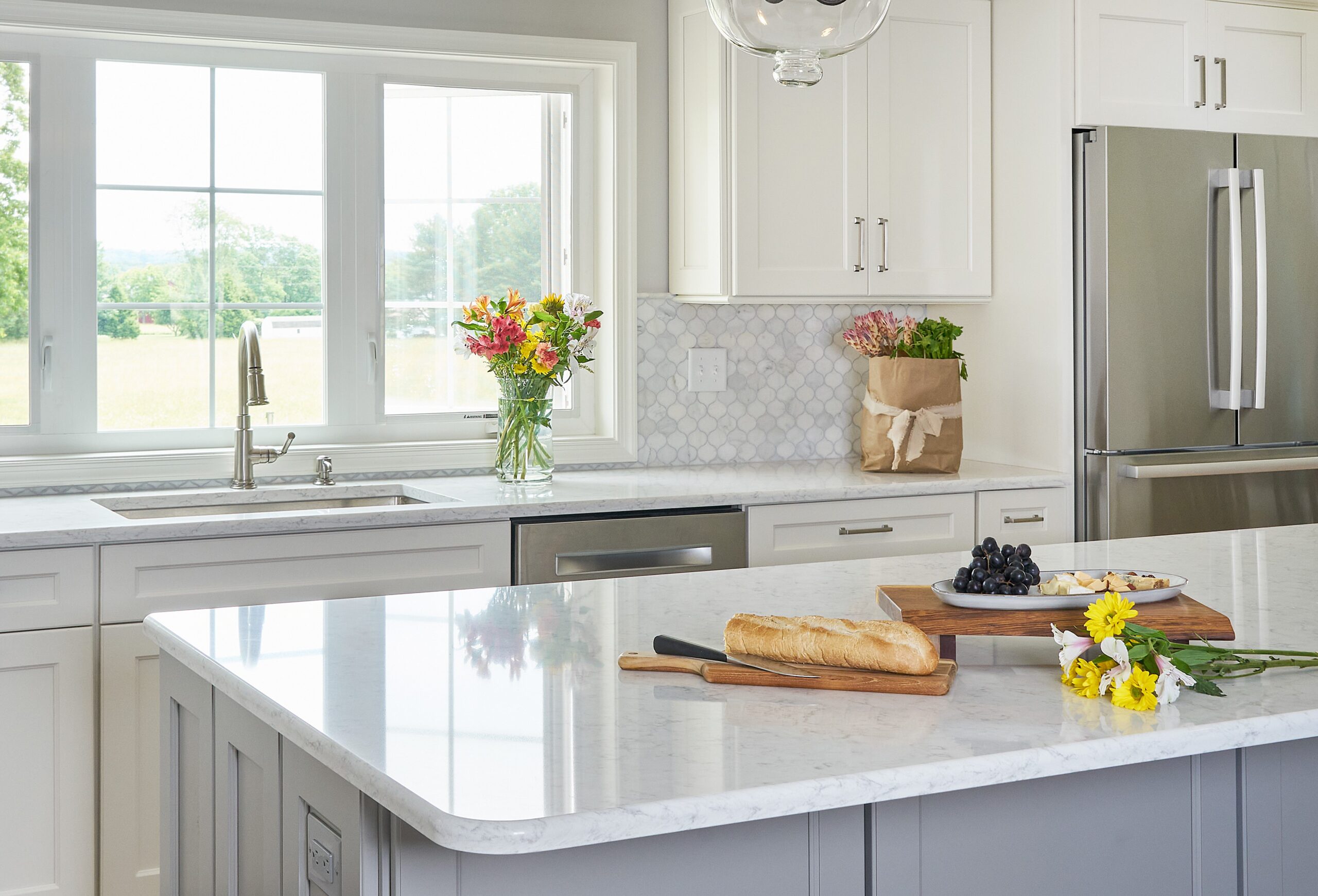
When choosing a countertop, think about how it will complement your cabinetry and backsplash. A countertop with prominent veining or movement may become the focal point of the kitchen, while a more subtle pattern can allow other design elements to stand out.
It’s also worth considering how much maintenance you’re comfortable with. Some materials require periodic sealing or special care, while others are designed for easier everyday maintenance.
The right countertop should look beautiful while supporting the way you use your kitchen.
3. Coordinating Your Backsplash and Flooring
Your backsplash and flooring play an important role in tying the entire kitchen design together. Although they may not always be the first selections homeowners think about, these surfaces can have a significant impact on the finished space.
Backsplashes
A backsplash offers an opportunity to introduce color, texture, pattern, and personality.
Subway tile remains a versatile choice, but there are many other options to explore, including:
- Large-format porcelain tile.
- Natural stone.
- Marble mosaics.
- Handmade or textured tile.
- Geometric and patterned designs.
You can choose a backsplash that complements your countertop for a subtle, coordinated appearance or introduce a contrasting material to create a more noticeable design feature.
Another option is a full-height backsplash, which extends the countertop material up the wall. This can create a seamless, sophisticated appearance, particularly when using natural stone or quartz.
For homeowners exploring tile options, Daltile offers a wide selection of tile styles, colors, patterns, and materials. From understated neutrals to more decorative designs, the right tile can help establish the overall character of your kitchen.
Flooring
Kitchen flooring should complement the surrounding materials while offering the durability needed for a high-traffic space.
Popular choices include hardwood, engineered wood, luxury vinyl, porcelain tile, and natural stone.
Consider the color and undertones of your flooring when selecting cabinetry and countertops. Warm wood tones can soften a kitchen with cooler finishes, while lighter flooring can help create an open, airy appearance.
The key is to think about these surfaces together rather than treating each selection as an independent decision.
4. Choosing Hardware, Fixtures, and Finishes
Sometimes, the smallest details make the biggest difference. Cabinet hardware, faucets, sinks, and lighting fixtures all contribute to the overall character of your kitchen.
These finishing selections may seem minor compared to cabinetry and countertops, but they can help define the style of the entire space.
Cabinet Hardware
Cabinet knobs and pulls are available in countless styles, sizes, shapes, and finishes. Whether you prefer simple, streamlined hardware or more decorative designs, your selections should complement the cabinetry rather than compete with it.
For example, Top Knobs offers decorative cabinet hardware in a variety of styles and finishes, allowing homeowners to explore options that complement everything from traditional cabinetry to more contemporary designs.
Metal Finishes
The finish of your hardware and plumbing fixtures can influence the overall atmosphere of your kitchen.
Some popular choices include:
- Brushed nickel for a subtle, versatile appearance.
- Polished chrome for a clean, reflective finish.
- Matte black for a bold, contemporary look.
- Brushed brass or gold for warmth and understated elegance.
- Oil-rubbed bronze for a deeper, traditional aesthetic.
You don’t necessarily need every metal finish in your kitchen to match perfectly. Mixing finishes can create depth and visual interest when done intentionally. For example, brass cabinet hardware paired with a polished nickel faucet can work beautifully when the surrounding materials bring the design together.
Sinks and Faucets
Your sink and faucet are both functional necessities and visible design features. Consider the style, size, configuration, and finish that best complement your cabinetry and countertops.
There are several established plumbing fixture manufacturers worth exploring when making these selections, including Kohler, Moen, and Brizo.
Each offers a range of kitchen faucets and plumbing fixtures in different styles and finishes. Whether you’re looking for a streamlined modern faucet, a traditional design, or something with more distinctive detailing, these brands offer options to consider.
Options such as undermount sinks, workstation sinks, farmhouse sinks, and pull-down faucets also offer different aesthetic and practical benefits.
Lighting
Lighting is another important finishing element. Pendant lights over an island, decorative fixtures above a dining area, and under-cabinet lighting can all contribute to the atmosphere and functionality of your kitchen.
Consider how the style and finish of your lighting fixtures relate to your other selections. Thoughtfully coordinated lighting helps create a finished look while making the space more comfortable and inviting.
5. Bringing All Your Design Selections Together
Once you’ve explored cabinetry, countertops, backsplash, flooring, hardware, and fixtures, the next challenge is making sure everything works together.
A kitchen can feature beautiful individual materials and finishes, but if they compete with one another, the overall design may feel disconnected.
One of the best ways to approach this is by establishing a cohesive color palette and selecting materials that complement one another.
Consider the following:
- Start with a central design direction: Decide whether you prefer a warm, natural aesthetic, a clean and contemporary look, or something more traditional and timeless.
- Balance colors and textures: Combine smooth surfaces with natural textures, and consider how lighter and darker elements work together.
- Be mindful of undertones: Whites, grays, beiges, and wood tones can have warm or cool undertones. Choosing complementary shades helps prevent the design from feeling mismatched.
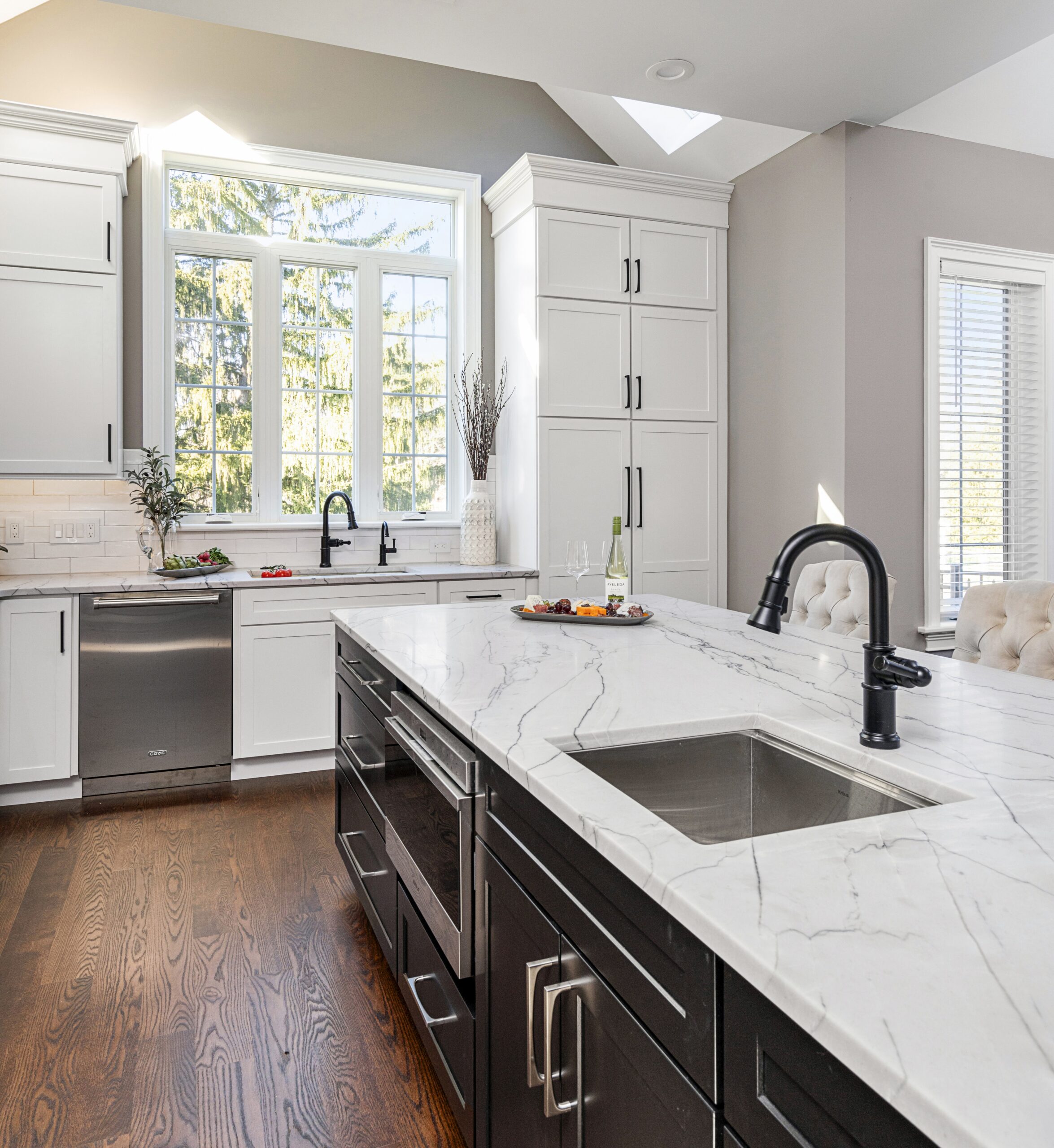
- Choose a focal point: This might be a statement island, a distinctive backsplash, dramatic countertops, or beautiful cabinetry.
- Consider the surrounding home: Your kitchen should feel connected to the rest of your home’s architecture, finishes, and overall aesthetic.
It can also be helpful to view material samples together before making final decisions. Cabinet samples, countertop selections, tile, flooring, and hardware should be considered as a collection so you can see how the colors and textures interact.
At Inspiration Kitchen & Bath, we understand that bringing all these selections together requires careful thought, experience, and an understanding of how design elements complement one another. Our goal is to help homeowners create kitchens that feel beautifully coordinated, thoughtfully customized, and designed to stand the test of time.
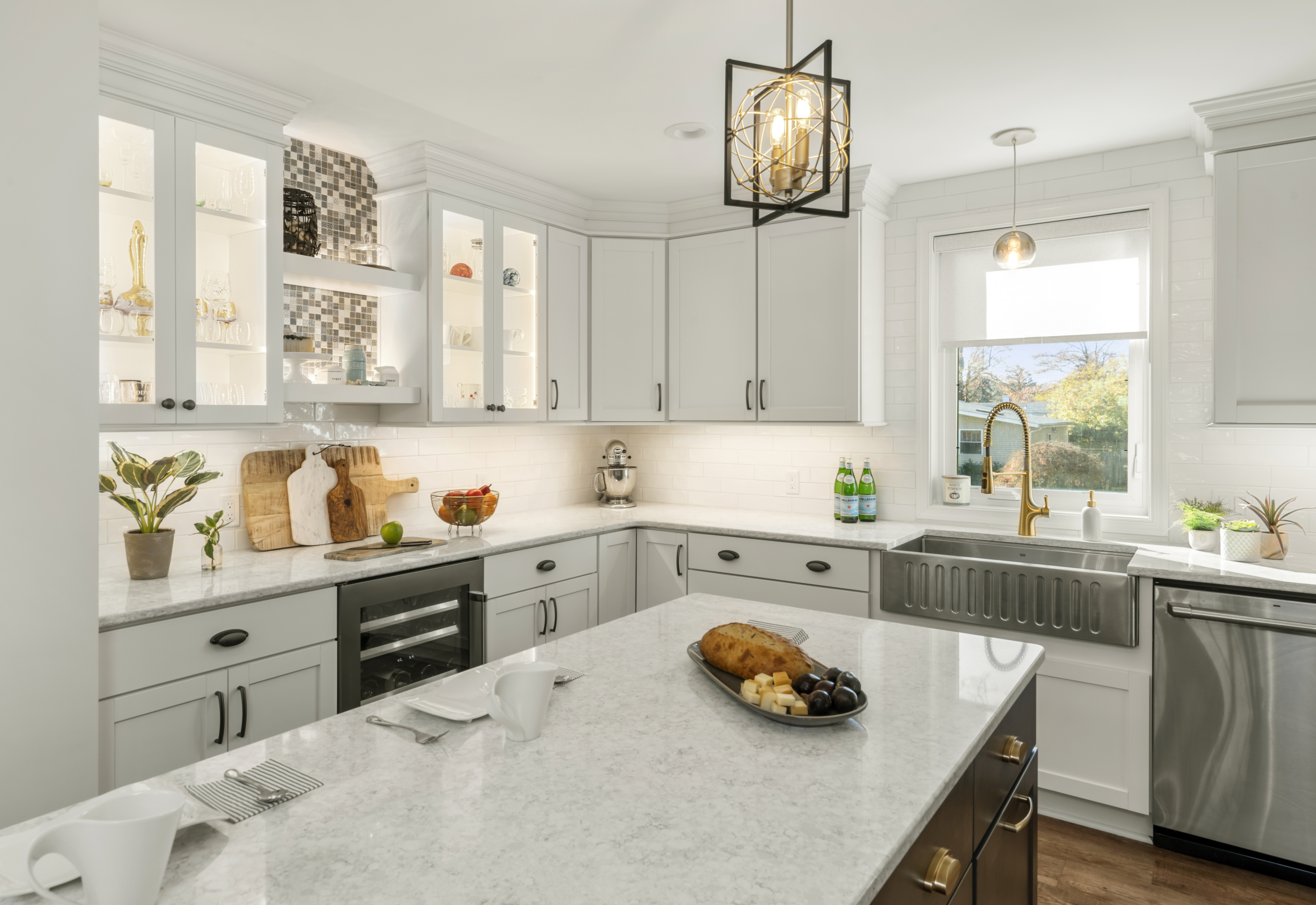
Looking Ahead: From Design Selections to Your Finished Kitchen
With the planning and design selections in place, your kitchen remodel is beginning to take shape. The decisions made during these first two phases help establish the foundation for a successful renovation, from the way your kitchen functions to the materials and finishes that give it character.
Every detail contributes to the finished result, and thoughtful design helps ensure that the final space feels like a natural reflection of your home and lifestyle.
At Inspiration Kitchen & Bath, we believe the best kitchens bring together functionality, craftsmanship, and beautiful design. Whether you’re envisioning a timeless transformation or a more contemporary space, our team is here to help guide you through the process.
Frequently Asked Questions About Kitchen Design Selections
What should I choose first when selecting materials for a kitchen remodel?
Cabinetry is often a good starting point because it establishes much of the kitchen’s overall aesthetic. From there, you can coordinate countertops, backsplash, flooring, hardware, and fixtures. However, the order can vary depending on your design and the materials you’re considering.
Should my kitchen countertops match my backsplash?
Not necessarily. Your countertops and backsplash should complement one another, but they don’t have to be identical. Pairing a more subtle countertop with a patterned backsplash, or choosing a backsplash that complements the natural veining of your countertop, can create a beautiful balance.
Is it okay to mix metal finishes in a kitchen?
Yes! Mixing metal finishes can add depth and visual interest to your kitchen. The key is to be intentional with your selections. Choose finishes that complement your overall color palette and avoid introducing too many competing metals.
What kitchen cabinet colors are popular?
White, warm neutrals, natural wood tones, navy, forest green, and charcoal are all popular choices. Ultimately, the best color depends on your home’s style, lighting, and the atmosphere you want to create.
How do I make sure all my kitchen finishes coordinate?
Consider your materials together rather than selecting each one individually. Comparing samples, paying attention to undertones, and establishing a consistent design direction can help create a cohesive result. Working with an experienced kitchen designer can also help simplify the selection process.
Begin Bringing Your Kitchen Vision to Life
A successful kitchen remodel is about more than selecting beautiful materials. It’s about creating a space where every element works together to support your lifestyle and reflect your personal taste.
From cabinetry and countertops to the smallest finishing details, each selection helps shape the character of your kitchen.
At Inspiration Kitchen & Bath, our team specializes in creating customized kitchens that balance thoughtful design, quality craftsmanship, and everyday functionality. We work with homeowners throughout Bucks and Montgomery County, Pennsylvania, to bring their ideas to life and create spaces tailored to their homes and lifestyles.
Ready to start planning your kitchen transformation? Contact Inspiration Kitchen & Bath to schedule a discovery call and take the next step toward creating a kitchen you’ll love.
